
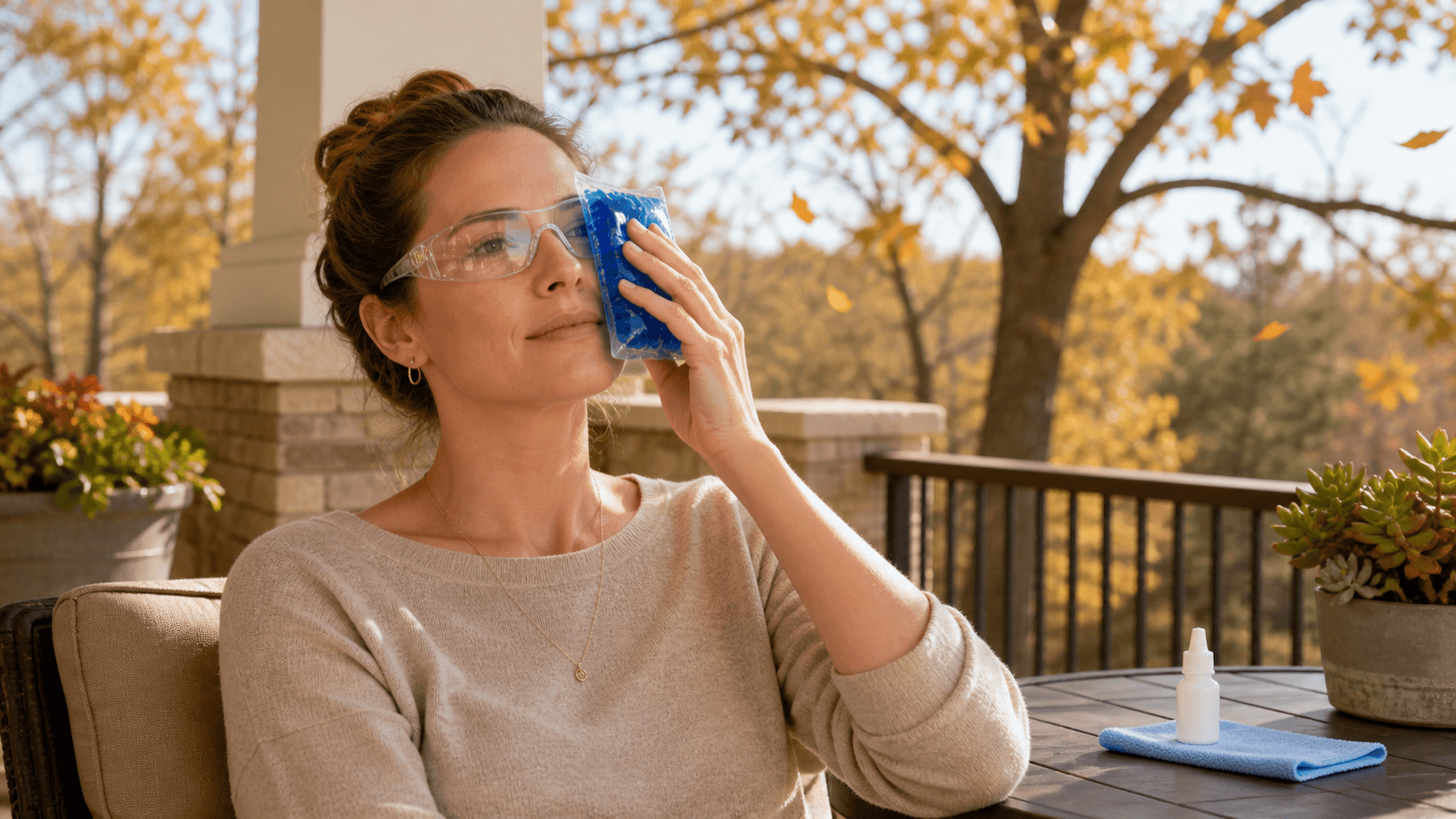
Fall weather in Texas may bring cooler temps, but it also introduces more allergens into the air. Many of us notice watery, itchy, or gritty eyes just when we're spending more time outside enjoying the season. Ragweed pollen, dry winds, and mold from falling leaves can make things worse, especially for people with seasonal allergies. If you're feeling more eye discomfort than usual this time of year, you're not alone. Staying on top of your eye care in Cypress during the fall months helps prevent small irritations from turning into larger, ongoing problems.
Common Fall Eye Irritants in Texas
Once fall arrives in Texas, ragweed pollen becomes one of the biggest triggers for eye discomfort. It floats through the air and lands easily in the eyes, causing everything from itching and redness to a feeling like there's grit or sand in your eyes. It makes daily activities harder when your vision stays blurry or your eyes won't stop tearing up.
Other irritants become more active in fall too:
- Dust gets stirred by shifting winds and dry weather, especially in areas with fields or open roads.
- Mold forms in piles of fallen leaves and plant matter, which can trigger reactions in those with sensitivities.
- A sudden drop in humidity makes the air drier, pulling moisture from your eyes more quickly than usual.
- Heating systems being turned on can make indoor air feel dry, adding to the issue.
Some people feel discomfort the moment they walk outside, while others notice symptoms after hours of exposure. Dryness from cooler, dry air can make it harder for eyes to stay lubricated. Add sudden temperature swings, and it becomes harder for eyes to adjust without reacting.
Cypress Family Eyecare recommends using moisture-rich artificial tears during allergy season and offers guidance on choosing preservative-free options for sensitive eyes.
Professional Support and When to Seek Help
During allergy season, brief or mild eye irritation comes and goes. But it's smart to know when it's no longer just a seasonal annoyance. If your eyes stay red or itchy for more than a few days, or it begins affecting your vision, it may be time to see someone for proper advice.
We usually suggest reaching out if you notice any of the following:
- Blurry vision or light sensitivity that doesn't clear up quickly
- Pain that feels deeper than surface-level itchiness
- Constant need to rub your eyes, which can cause more harm
- No relief from over-the-counter drops or cold compresses after trying for a few days
Some infections or underlying eye conditions can show up during allergy season because your eyes are already under stress. That makes it easy to mistake something more serious for basic allergies. If you wear contact lenses, this season becomes more challenging since pollen and dryness can make lenses harder to wear comfortably or safely. Letting an eye care provider assess your symptoms can help you figure out next steps without guessing.
Managing Seasonal Eye Comfort Successfully
Watching out for changes in how your eyes feel is a good habit during allergy season. Even if the issues are small, getting ahead of them keeps you feeling more in control and prevents extra discomfort later.
We help people adjust to seasonal eye shifts all the time. Our goal is to support your vision comfort as the weather changes, especially when common irritants hang around during the fall. With the right strategies, it's easier to protect your eyes and keep your daily routine on track, no matter what the air brings in from outside.
Cypress Family Eyecare has in-office diagnostics to rule out allergic conjunctivitis and provides care plans for ongoing seasonal discomfort.
Seasonal irritants can impact your eyes more than you might expect, but a little extra care tailored to Cypress, TX, can help you stay comfortable. For personalized support and guidance with eye care in Cypress, our team at Cypress Family Eyecare is here to help you schedule your next visit.