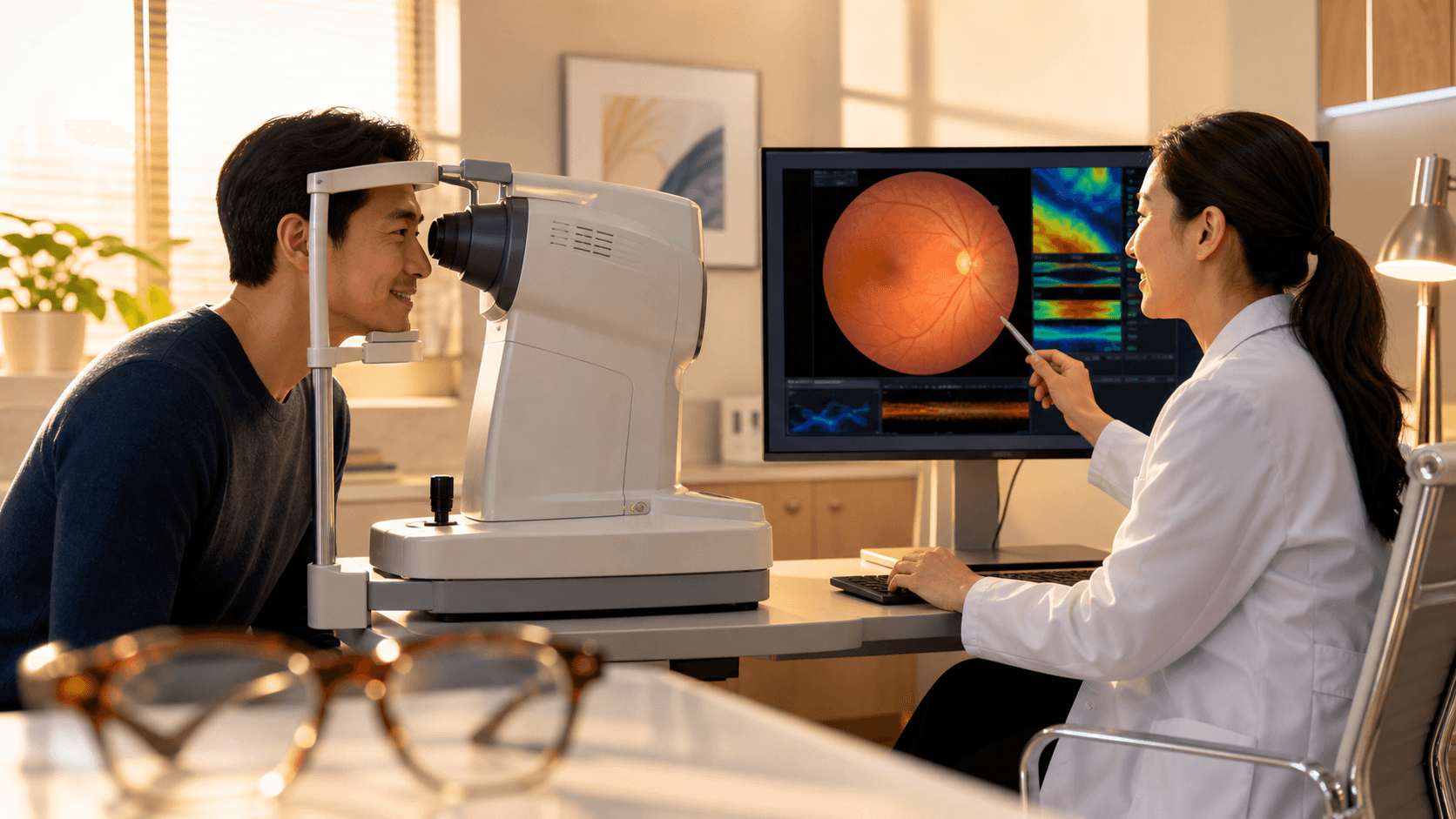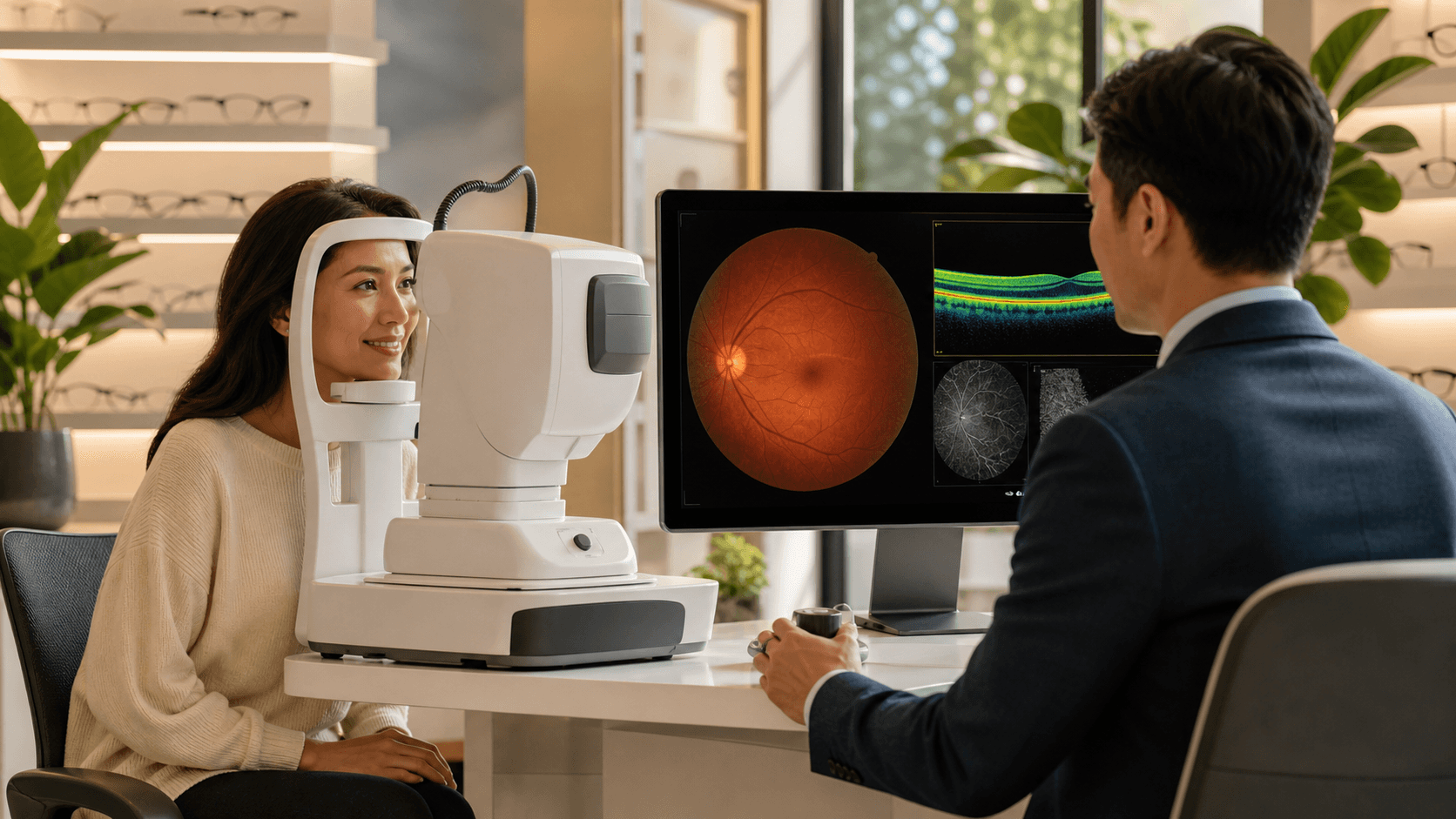
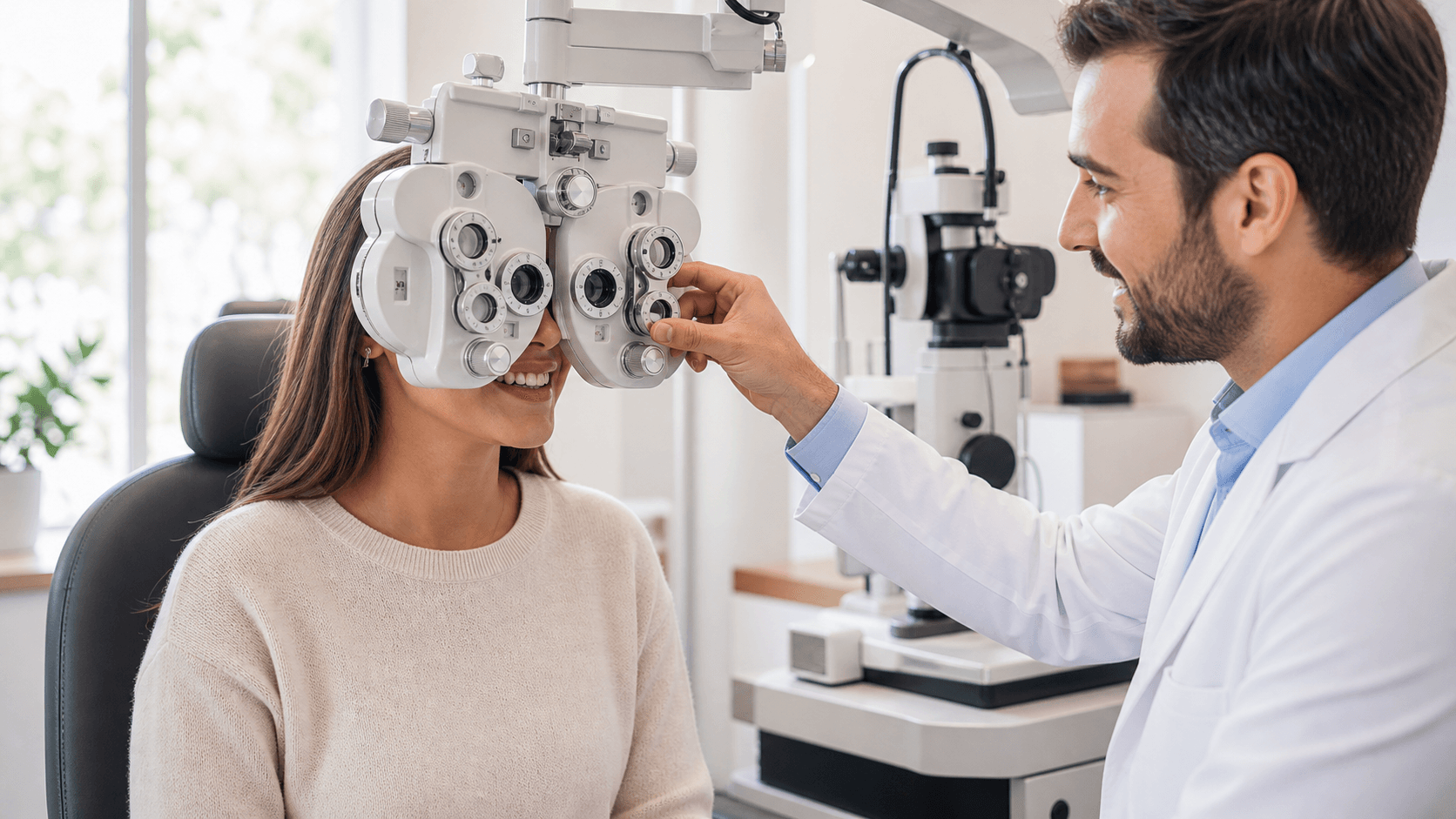
When people hear the phrase "comprehensive eye examination," many think of reading a letter chart and calling out what they see. But there's a lot more going on during a full eye checkup. Understanding what's included can make the appointment feel less mysterious and more useful. A comprehensive eye examination looks at both vision clarity and internal health, helping spot things that might not cause problems yet but could later. With cooler days settling into Cypress, Texas, this is a good time to check in on our eye health before the holidays get busy.
Vision Testing and Eye Movement Checks
We start with the part most people already know: a visual acuity test. That's the one where you read from a chart to see how clearly you're seeing both near and far. But we don't stop there. Other tests give us helpful details about how your eyes work together and respond in different situations.
- Eye alignment and movement checks help us see if your eyes are moving smoothly and staying in sync
- Color vision is tested using dotted images that reveal shapes or numbers to find any color recognition issues
- Near vision is assessed to understand how easily you can see things like phones or menus
- Peripheral vision testing tells us whether you're seeing motion or objects off to the side of your focus
These tests aren't just about clarity. They help us understand how your eyes are functioning as a team and whether they're straining to keep up.
Eye Health and Internal Structure Evaluation
Once we've covered how your eyes are working from the outside in, we take a deeper look into the health of your eyes themselves. This part often gives us information you wouldn't notice on your own but can be very important long term.
- Eye pressure testing checks the fluid pressure inside your eyes and can point to early warning signs of things like glaucoma
- External exams of the cornea, iris, and lens help us catch signs of damage, dryness, or cloudiness
- Dilation gives us access to the inside of the eye so we can see your retina, optic nerve, and blood vessels more clearly
- Internal checks can show changes linked to diabetes, high blood pressure, or the early stages of macular conditions
- We might also measure tear production if your eyes often feel dry or irritated, or look at corneal shape in case you're thinking about vision correction options
Each of these steps gives us important details to track over time, and they help guide what kind of care or follow-up might be right for you.
Cypress Family Eyecare uses digital refraction, retinal imaging, and advanced visual field testing as part of every comprehensive exam to assess both vision and internal eye health.
Getting the Most from Your Eye Exam Experience
Knowing what to expect during a thorough eye check can make it feel more useful and less stressful. Every step, from vision testing to deep internal exams, serves a clear purpose in helping us better understand how your eyes are doing and what they might need going forward. These appointments aren't just about fixing what's wrong now. They're one of the simplest ways we can keep small issues from becoming something more uncomfortable or harder to treat down the line. Being informed makes it easier to ask questions and get the most out of your visit.
Staying on top of your eye health is easy with a regular comprehensive eye examination, which provides valuable insight into how your eyes are performing and any changes that may be occurring. At Cypress Family Eyecare, we welcome patients of all ages in Cypress, Texas. Give us a call to schedule your next visit.