Many people wonder how to keep track of changes in their vision, especially as they get older or face health issues that could affect their eyes. Eye health services can help by checking for signs of change over time and giving us a clearer picture of what's going on. As fall arrives and health checkups come to mind, it's a good time to talk about how regular exams and other tools can help track your eye health. Staying on top of these changes can make a big difference throughout the year.
Regular Monitoring Through Comprehensive Eye Exams
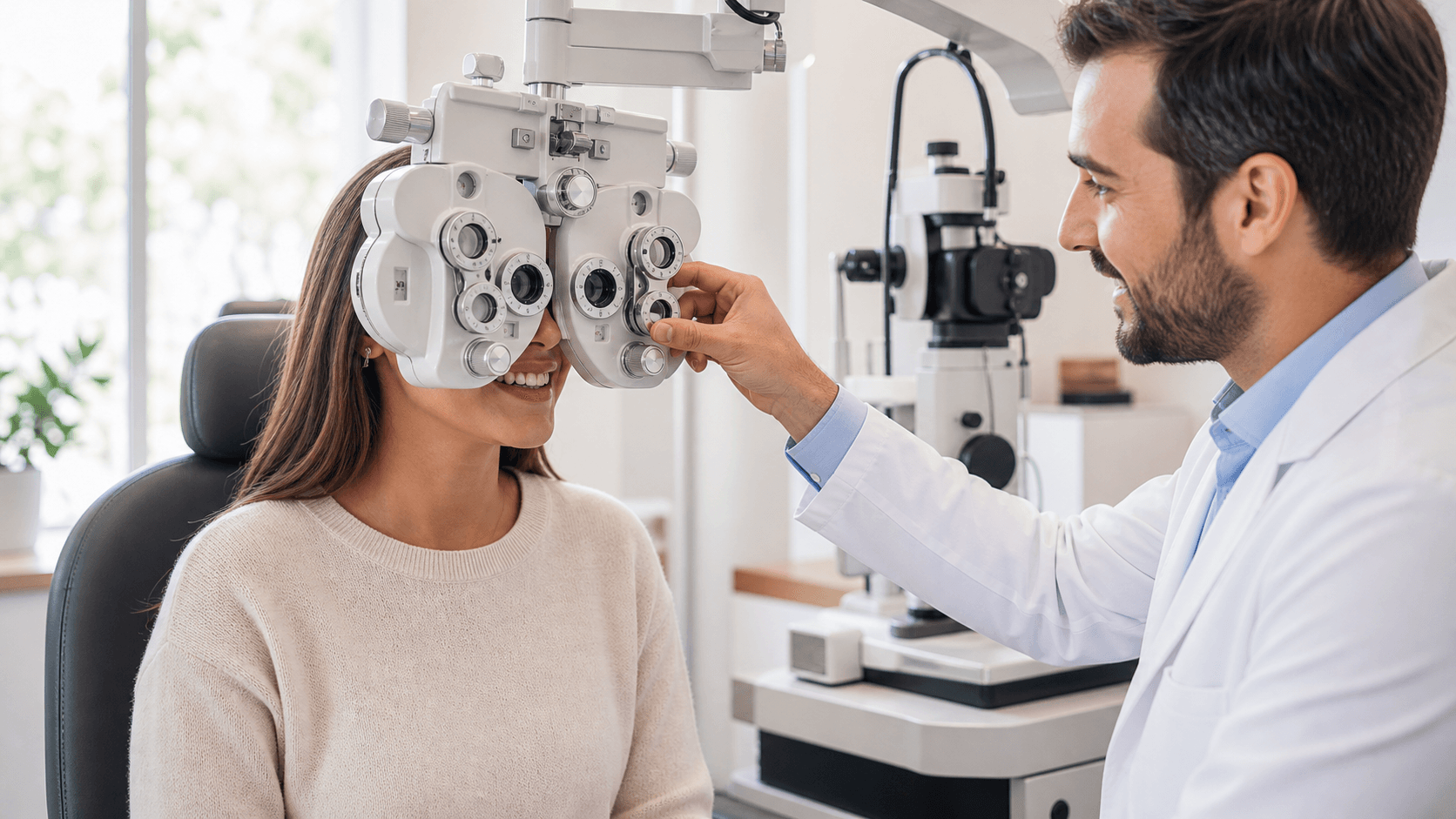
A full eye exam is one of the most useful ways we can monitor your vision over time. These visits give us a snapshot of where you are today, so we can compare it to future exams and notice anything new. Many eye conditions develop slowly, so having that ongoing history helps connect the dots later on.
During a comprehensive exam, we check several things to build a strong record:
- Vision sharpness at near and far distances
- Eye muscle strength and how well your eyes work together
- Internal and external eye structures using specialized tools
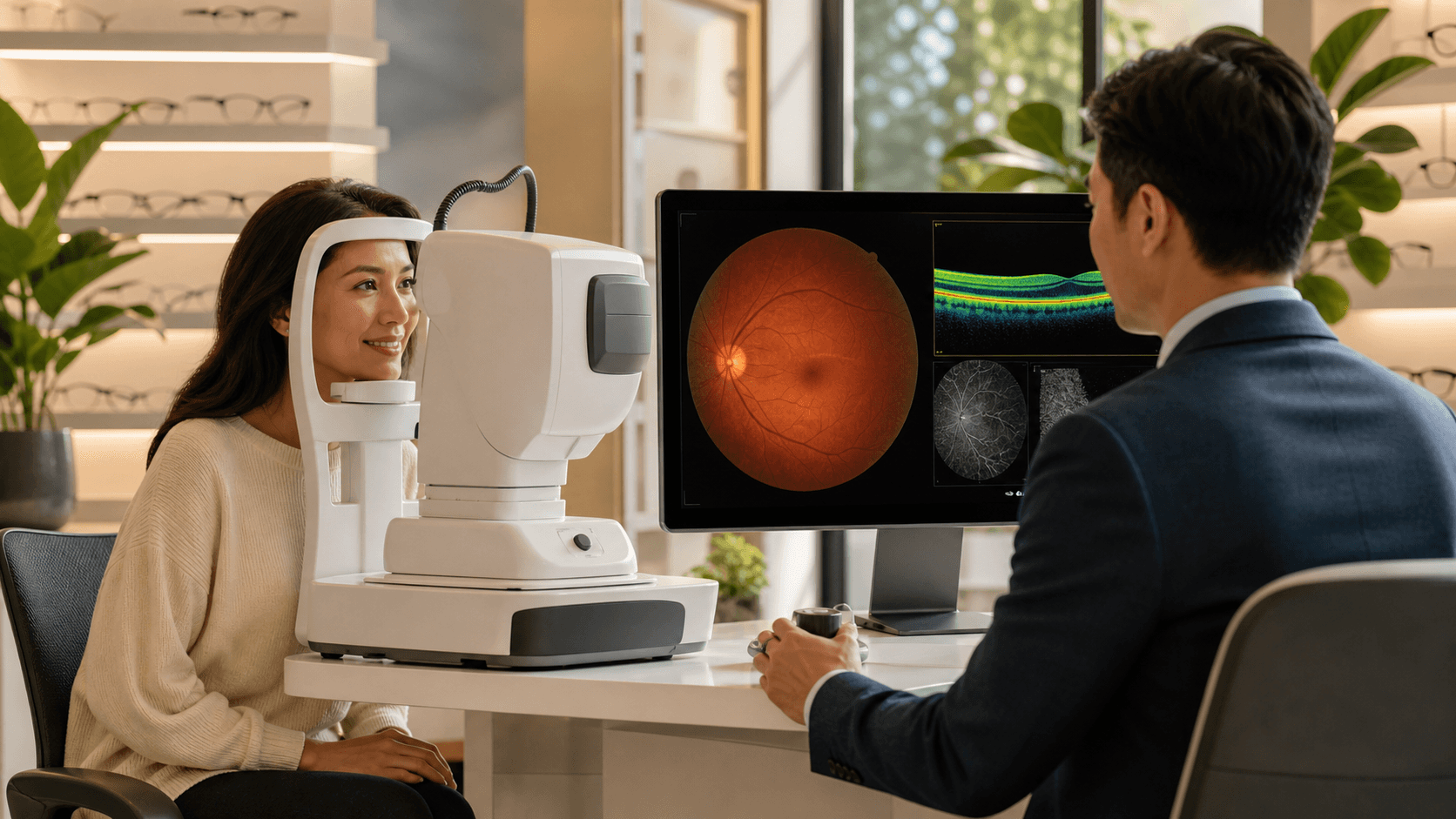
- Retinal imaging to document the back of the eye
These results help us create a baseline for comparison and make it easier to spot even small changes. For some, an annual visit may be enough. Others may need exams more often, based on medical history, age, or existing eye issues.
With digital imaging tools, we can collect accurate data and return to it months or years later. That makes it easier to look back and make better decisions about your care. Staying consistent with these exams is one of the best ways to stay ahead of changes in your vision.
Cypress Family Eyecare uses advanced digital refraction, widefield retinal imaging, and automated visual field testing as part of comprehensive exams to detect subtle changes over time.
Specialized Services for Ongoing Health Conditions
Some health issues can make your eyes more likely to change, especially conditions like diabetes and glaucoma. These need more focused attention, and that's where specialized services come in. They look more closely at the areas most affected by those conditions.
We offer deeper evaluations that focus on:
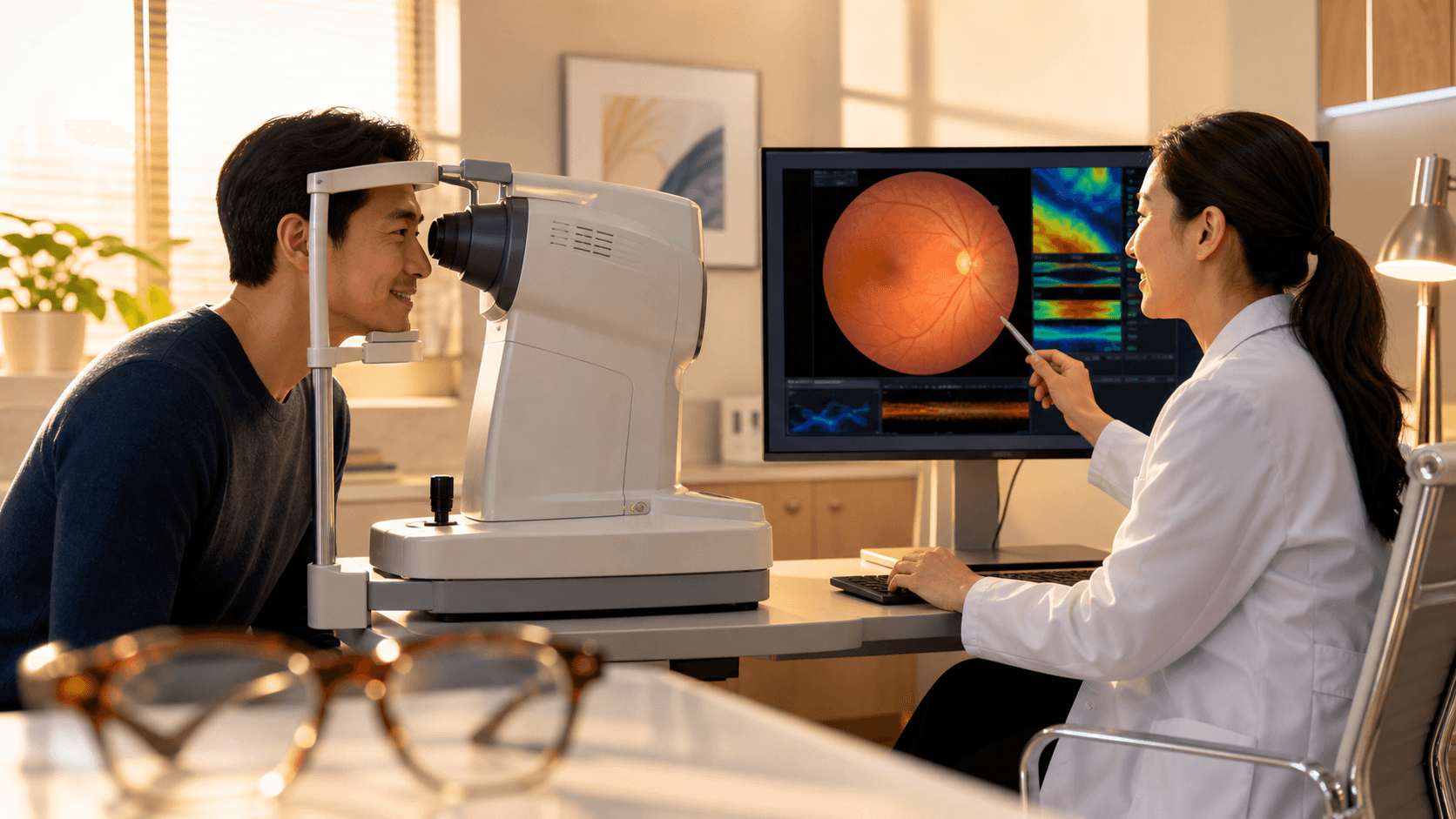
- Checking the small blood vessels behind the eyes for signs of diabetic changes
- Measuring eye pressure and tracking glaucoma with side-vision testing
- Using detailed scans to monitor treatment progress and spot new concerns
These services go beyond routine visits. They follow a different schedule based on individual needs and how stable a condition is. Some people may need to come in every few months, while others return at set points during the year.
We stay in touch with your other doctors too, especially if your eye health is linked to another condition. By working together, we can keep your overall care connected and up to date.
Building a Strong Foundation for Long-Term Eye Health
Using eye health services throughout the year helps us build a clearer, more complete view of your eyes over time. This ongoing record lets us check how your eyes are doing and whether treatments are working as planned.
When we stay on a regular schedule and keep track of each visit, we can better support your long-term vision. It's a partnership, and it starts by making sure we're checking in at the right times and paying close attention to any changes along the way.
Staying ahead of changes in your vision is easier with personalized support and reliable eye health services here in Cypress, Texas. With a plan based on your specific needs, every visit is more useful and less stressful. Contact Cypress Family Eyecare today to schedule your next appointment and keep your eyes on track through every season.