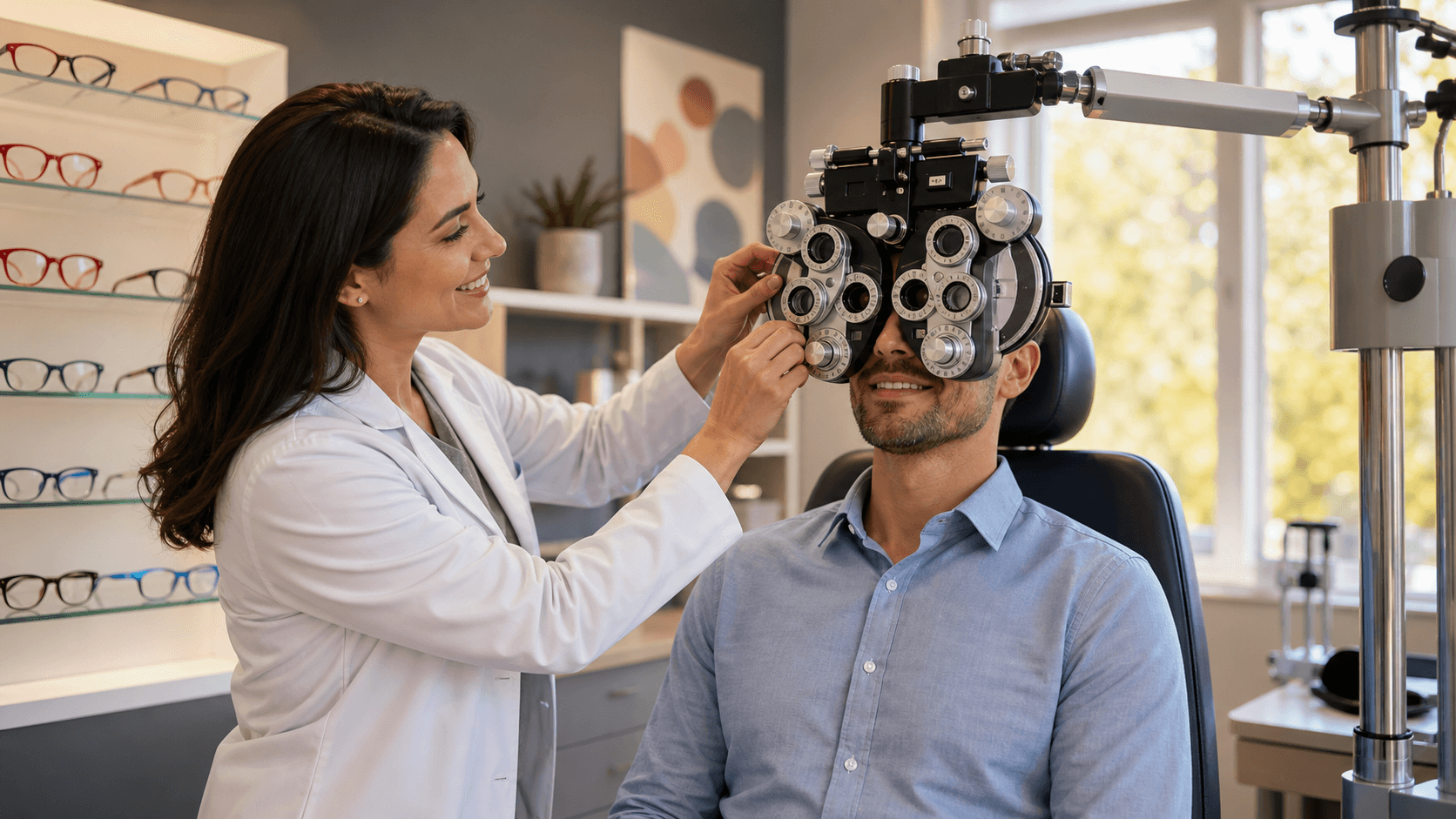
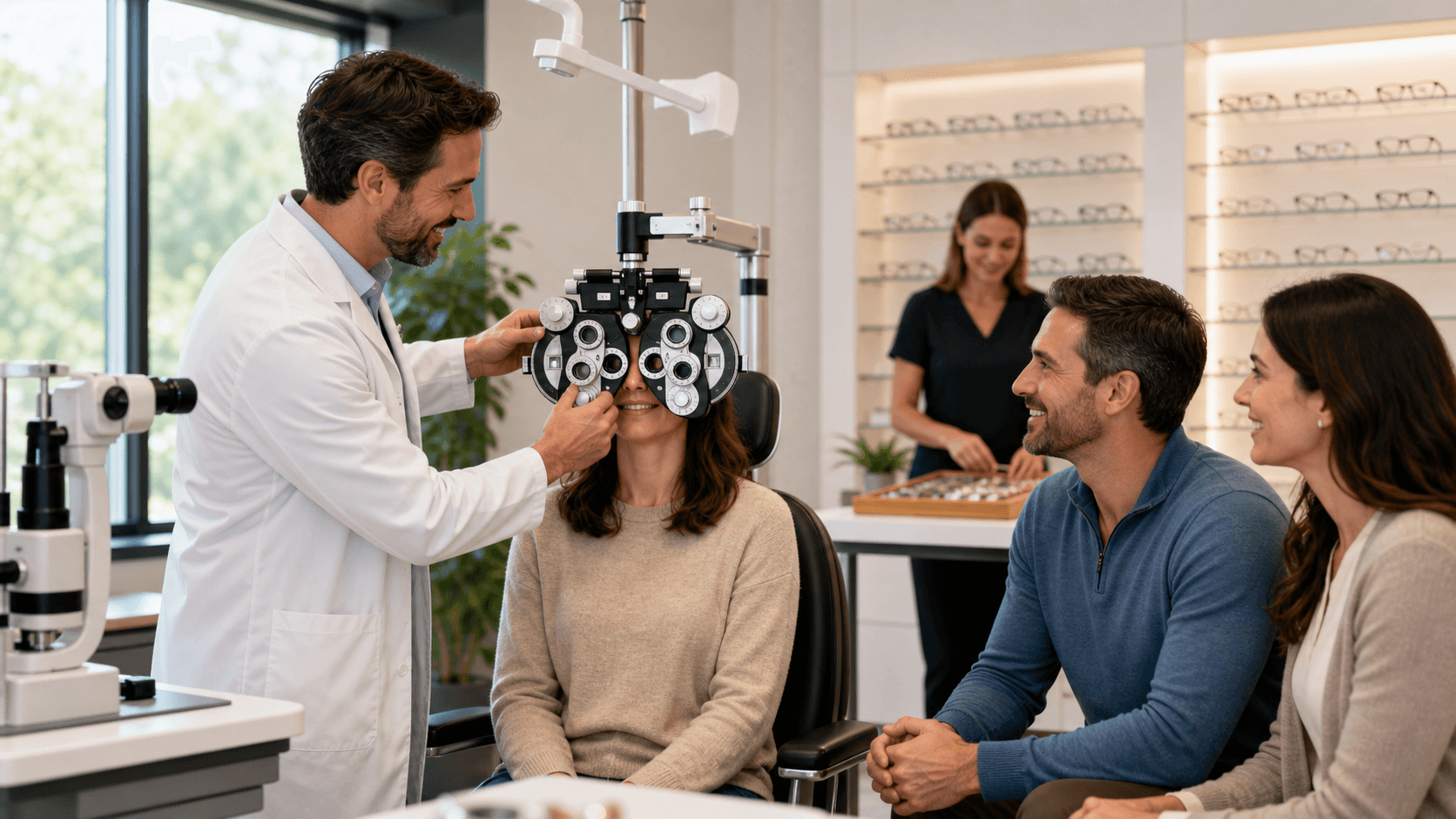
Finding the right eye doctor can feel like a big decision, especially when you're choosing for the whole family. With different ages and different eye needs, it's important to work with someone you trust. Some eye doctors handle basic checkups, while others focus more on medical care. Some may work mostly with adults, while others are great with kids. If you're searching for eye doctors in Cypress, it helps to know what to look for from the start. That way, you can feel good about long-term care for everyone in your home.
Services and Specializations to Consider
What your family needs right now might not be the same as what you'll need a few years from now. That's why it's smart to consider the types of services offered at different eye care practices. Some offices stick mostly with routine exams, helping with new glasses or contact prescriptions. Others offer more medical care, especially for those who have or are at risk for issues like glaucoma, cataracts, or diabetes-related eye changes.
If you have kids, you might want a doctor who's worked with children and knows how to make them feel at ease. If you have a teen who is nearsighted, you may want a provider with experience in myopia control to help slow progression. For adults, especially after age 40, regular monitoring becomes more important.
Think about whether it's more convenient for your whole family to see one doctor or if splitting care between a general optometrist and a specialist might make more sense. You'll also want to check if contact lens fittings are available if that's a need in your household.
Cypress Family Eyecare offers specialized care for both adults and children, including services such as routine exams, diabetic eye management, and glaucoma screenings, as well as modern diagnostic tools like retinal imaging for accurate assessments.
Things to look for:
- Experience working with different age groups
- Medical eye care beyond just routine visits
- Availability of contact lenses or specialty contact fittings
- Familiarity with family eye health histories
Practical Factors That Matter for Busy Families
Even if a provider checks all the boxes on care, it's important for them to work with your day-to-day life. Between school, work, and errands, time is tight. Choosing a location that fits your schedule is essential, especially if it's a spot you'll visit more than once a year. Some offices offer evening or weekend hours, which can make a difference when you're juggling multiple appointments.
You'll also want to ask about how they manage scheduling for more than one family member and how they handle urgent issues like sudden vision changes or eye injuries. Support when unexpected things arise is just as helpful as easy checkup scheduling.
Other good things to think about:
- Proximity to home, work, or school
- Office hours and availability during evenings or weekends
- How the office handles insurance or other paperwork
- Whether the space is kid-friendly or welcoming to all ages
- Use of updated tools or technology
- How they communicate or send reminders
Making the Best Choice for Your Family's Eye Health
It takes time to find someone who fits well with your schedule and your family's eye care needs, but it's worth the effort. Picking an eye doctor isn't just about one appointment. It's about making sure you're set up for consistent, quality care down the road.
We recommend meeting with the doctor, asking questions, and thinking about what matters most to your family. Whether it's staying close to home, having access to a wider range of services, or feeling comfortable bringing in a toddler for their first exam, each detail makes a difference. When it all lines up, it's easier to stay on top of your family's vision health through every stage of life.
Choosing among eye doctors in Cypress can feel overwhelming, but at Cypress Family Eyecare, we strive to make your family's experience comfortable and stress-free, whether it's your child's first appointment or your own routine visit. Call today to see how we can support all your eye care needs.