Give Your Child a Clear Start to the School Year
Back-to-school time means new backpacks, fresh notebooks, and a different classroom. It also brings a big shift in your child's daily routine. So much of the school day depends on clear, comfortable vision. When kids cannot see well, learning often feels harder than it should.
Many classroom tasks are vision-based, like reading small print, copying from the board, using a computer, and looking back and forth between near and far. If your child struggles to see, it can look like behavior problems, lack of focus, or even laziness. Summer is a smart time to book vision testing services so your child walks into the first day ready to learn with confidence.
Subtle Signs Your Child Is Struggling to See Clearly
Kids do not always say, "I cannot see well." Often, their eyes give quiet clues instead. At home, you might notice things like:
- Squinting to see the TV or faraway objects
- Sitting very close to screens
- Holding books or tablets very close or very far
- Tilting or turning the head to one side while reading
- Covering one eye or rubbing eyes often
School-related signs can be just as telling. Watch for:
- Avoiding reading or homework whenever possible
- Losing their place or using a finger for every word
- Complaints that words move, blur, or double
- Trouble copying notes from the board
- Unusual mistakes in writing or spacing for their age
Physical symptoms can also point to a vision problem. Headaches after school, eye strain, watery or red eyes, or feeling unusually tired after a short time of reading or coloring, may all be linked to how their eyes are working.
School Screenings Versus Comprehensive Vision Testing Services
Many schools offer basic vision screenings, which sound reassuring. These checks are helpful, but they are limited. They usually test only how well a child can see letters at a distance on a chart. This can miss important issues with how the eyes work together.
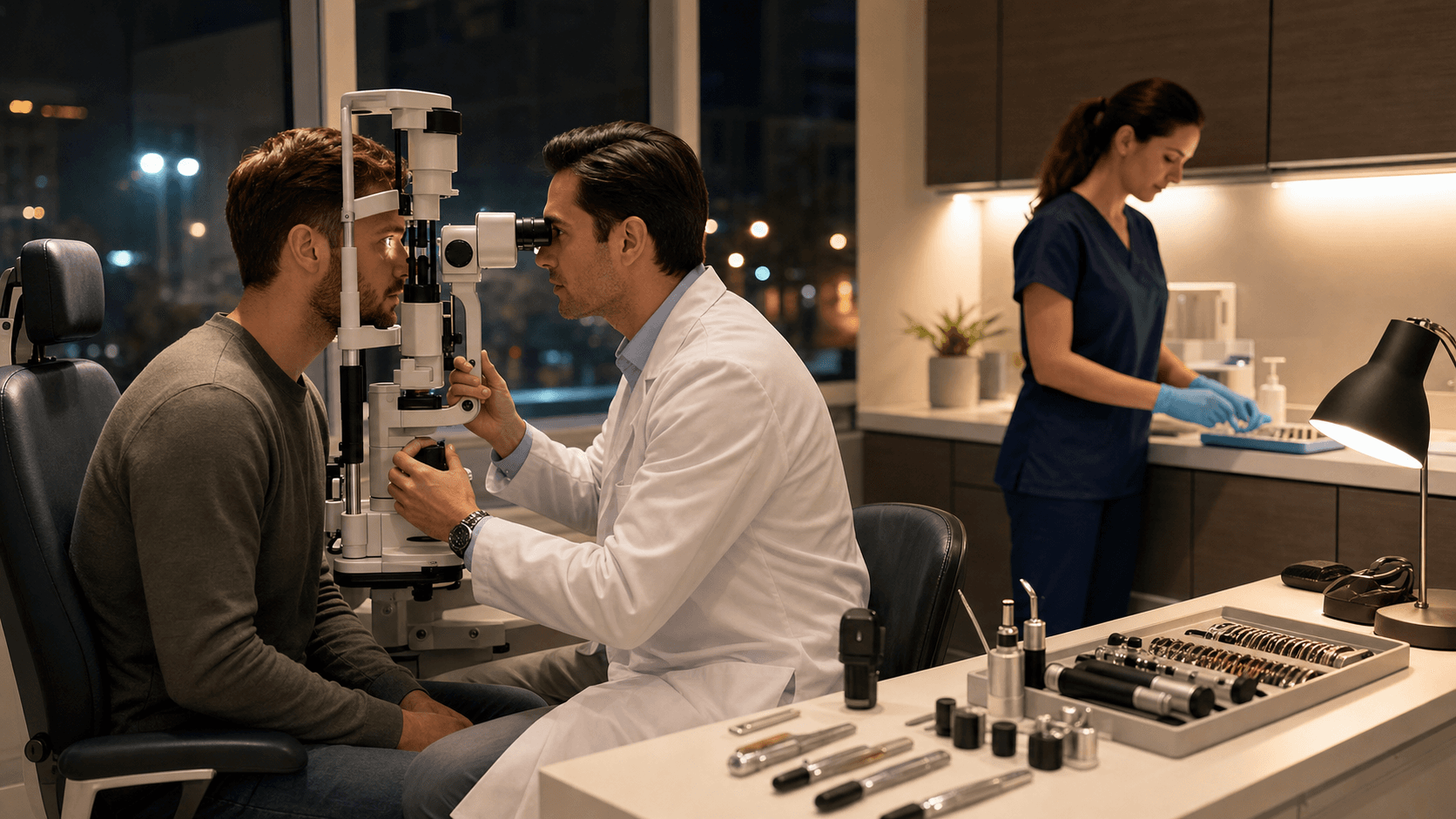
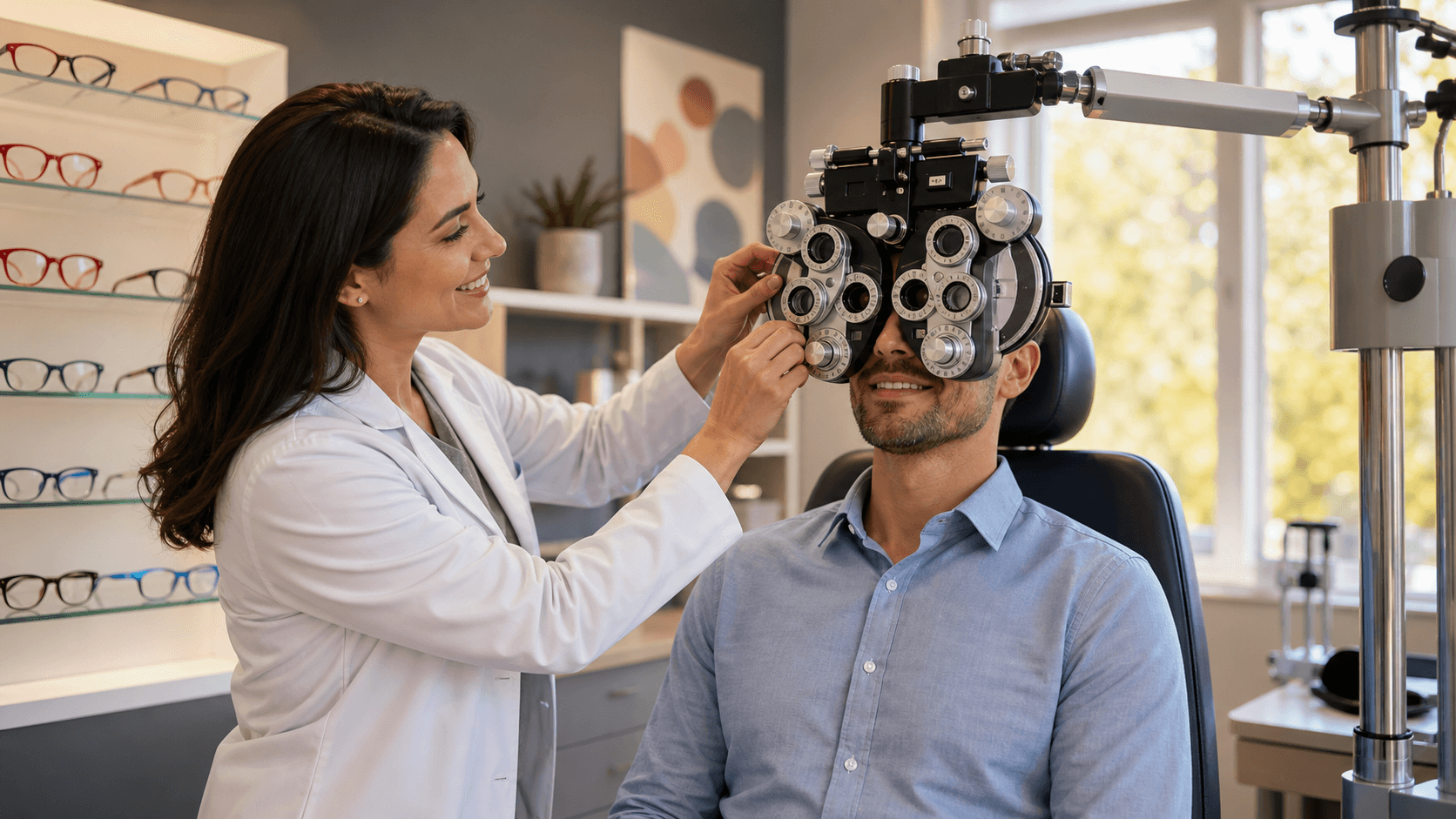
Comprehensive vision testing services in a full-service optometry office go much deeper. An eye exam for children often includes:
- Distance and near vision testing
- Eye alignment and eye teaming checks
- Depth perception and tracking skills
- Focusing flexibility at different distances
- An evaluation of overall eye health
With this fuller picture, the optometrist can look for subtle refractive errors, focusing problems, or eye teaming issues. Then a care plan can match your child's exact needs, which may include glasses, contact lenses for older children, or regular follow-up visits.
How Uncorrected Vision Issues Affect Learning and Behavior
When kids cannot see clearly, school can feel frustrating. They might have trouble seeing the board from their seat, skip lines while reading, or move very slowly through assignments. Reading can take so much effort that comprehension drops, even when they are trying their best.
Teachers and parents may see a child who looks distracted or unmotivated. In reality, that child might be working twice as hard just to keep up. This extra strain can lead to:
- Irritability during homework
- Avoiding reading or close work
- Acting out or daydreaming in class
- Saying school is "boring" or "too hard"
If these vision issues continue, they can chip away at confidence. Early elementary years are big building blocks for skills. Catching and treating problems with vision testing services can help protect your child's comfort with learning.
Back-to-School Vision Checklist for Cypress Families
Summer in Cypress is a busy time with camps, vacations, and back-to-school shopping. It is also a great window for a relaxed eye exam before schedules fill up again. Many families find it helpful to plan exams a few weeks before school starts so there is time to order and adjust any new glasses or contact lenses.
At home, you can:
- Watch your child during reading, device use, and sports
- Notice any squinting, eye rubbing, or sitting too close
- Listen for comments like "I cannot see the board" or "reading makes my head hurt"
- Keep a short list of any patterns you see
During a pediatric eye exam in a child-friendly office, testing is matched to your child's age and comfort level. The optometrist may ask about daily screen time, sports, hobbies, and any school concerns. From there, you get clear guidance on whether your child's vision is ready for the classroom or if glasses, contacts, or ongoing monitoring would help support their best possible start.
Protect Your Eyesight With Complete Vision Testing Today
When you are ready to prioritize your eye health, we invite you to explore our comprehensive vision testing services for every member of your family. At Cypress Family Eyecare, we take time to understand your visual needs so we can recommend the right exams and follow-up care. If you have questions or want to schedule an appointment, simply contact us and we will help you take the next step toward clearer, more comfortable vision.