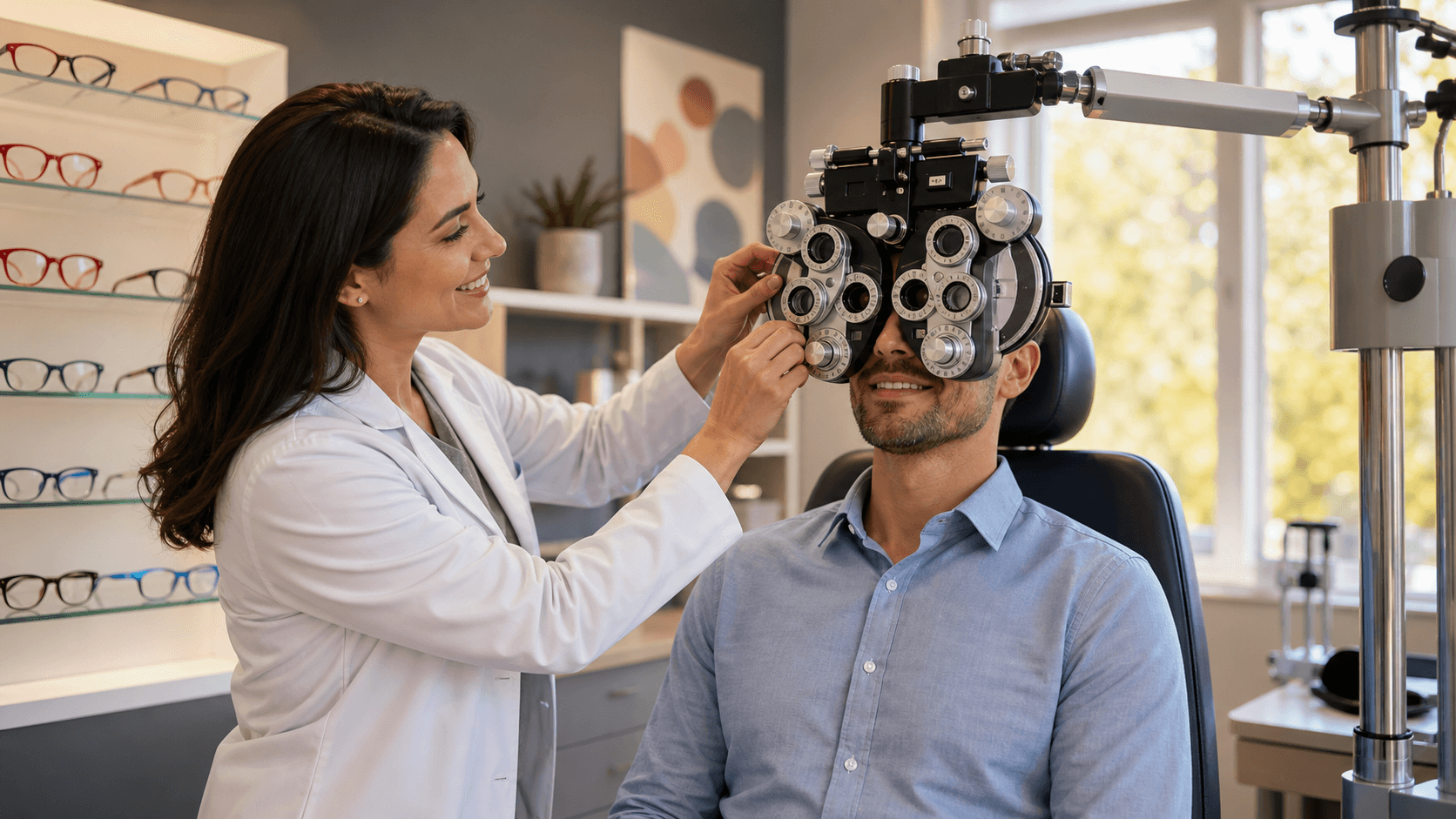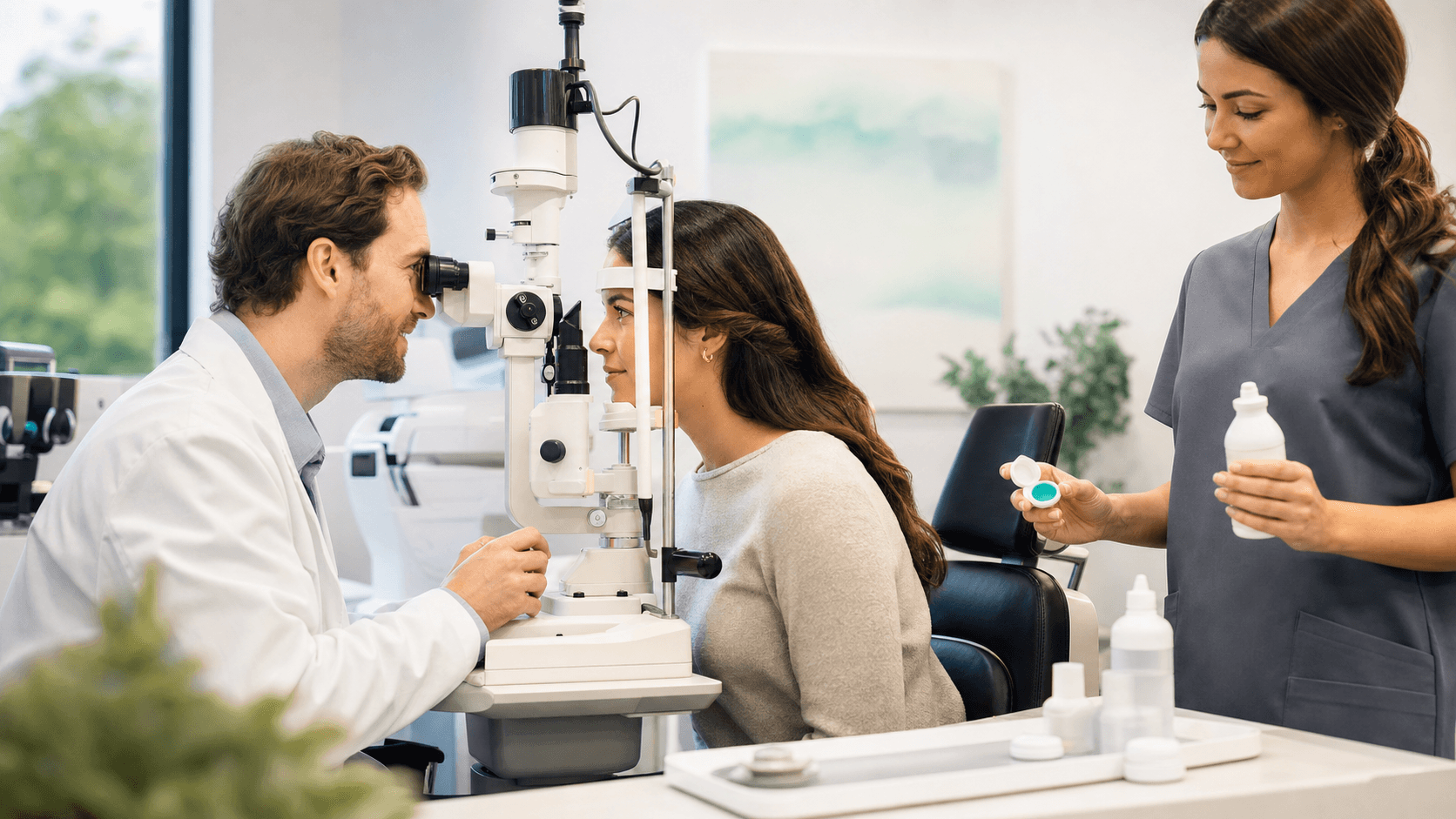
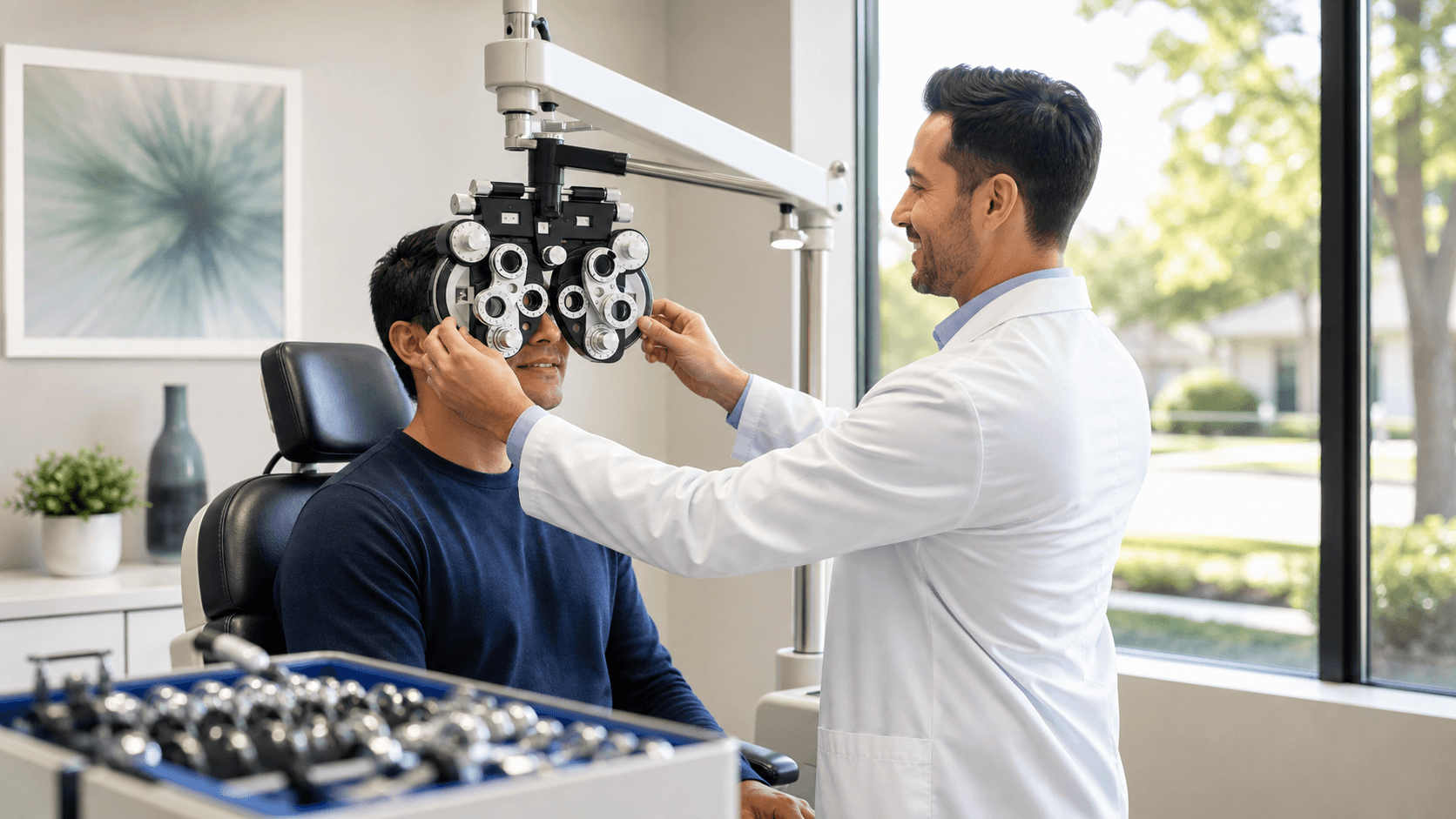
Many people in Cypress, Texas, ask the same question at some point: When should I schedule a comprehensive eye exam? For some, it's after noticing changes in their vision. For others, it's just trying to stay on top of routine care. And for many families, it's figuring out how often everyone needs to be seen. Every person's eyes are different, so timing matters. Knowing when to go can help protect your long-term vision and make planning smoother for your schedule. It can also help answer common questions, such as understanding the cost of a comprehensive eye exam and what the visit includes.
Age-Based Eye Exam Recommendations
We look at more than just symptoms when deciding how often someone should get an eye exam. Age plays a big part in setting the right routine and making sure eye issues do not go unnoticed.
- Young children should have their first eye exam at around 3 years old.
- Before starting kindergarten, another check is recommended to catch vision issues that might affect learning.
- Kids without diagnosed problems usually benefit from an eye exam every two years while they are in school.
- Adults aged 18 to 39 with healthy vision can usually go every two to three years unless other problems arise.
- From 40 to 64, vision starts to shift, so yearly exams make sense for early detection.
- Over 65, yearly comprehensive exams are helpful because the chances of developing issues like cataracts and glaucoma go up.
Some people should be seen more often, regardless of age. These include people who have diabetes, wear contact lenses, or have a family history of eye diseases. During your visits, we consider those factors and help set a schedule that makes sense for your health and lifestyle.
Signs That Signal It's Time for an Exam
There are times when waiting for your next scheduled eye exam is not the right call. Some changes in how your eyes feel or how you see are worth checking in on sooner.
- Blurry vision, especially if it comes and goes, could be a sign of something worth investigating.
- Headaches after screens or reading may suggest you are dealing with eye strain or a change in your prescription.
- Trouble seeing at night or sensitivity to lights can point to eye health changes.
- Seeing floaters, flashes, or having sudden loss of vision is reason to call for help right away.
- Squinting more often, holding reading materials closer or farther away than usual, or feeling eye fatigue during typical activities can all mean your vision has shifted.
- If you wear contacts and start noticing irritation, discomfort, or redness, these could be signs of a need for an updated fit or lens type.
Even if things seem fine, regular exams are important, especially for people with ongoing health conditions like diabetes or high blood pressure. Staying ahead of changes leads to fewer surprises and better overall outcomes.
Protecting Your Vision for Years to Come
Keeping your eyes healthy does not always feel urgent, especially if your vision seems fine right now. Regular checkups help catch small problems before they grow. Many serious eye conditions do not have clear symptoms in early stages, which is why staying on top of your schedule matters.
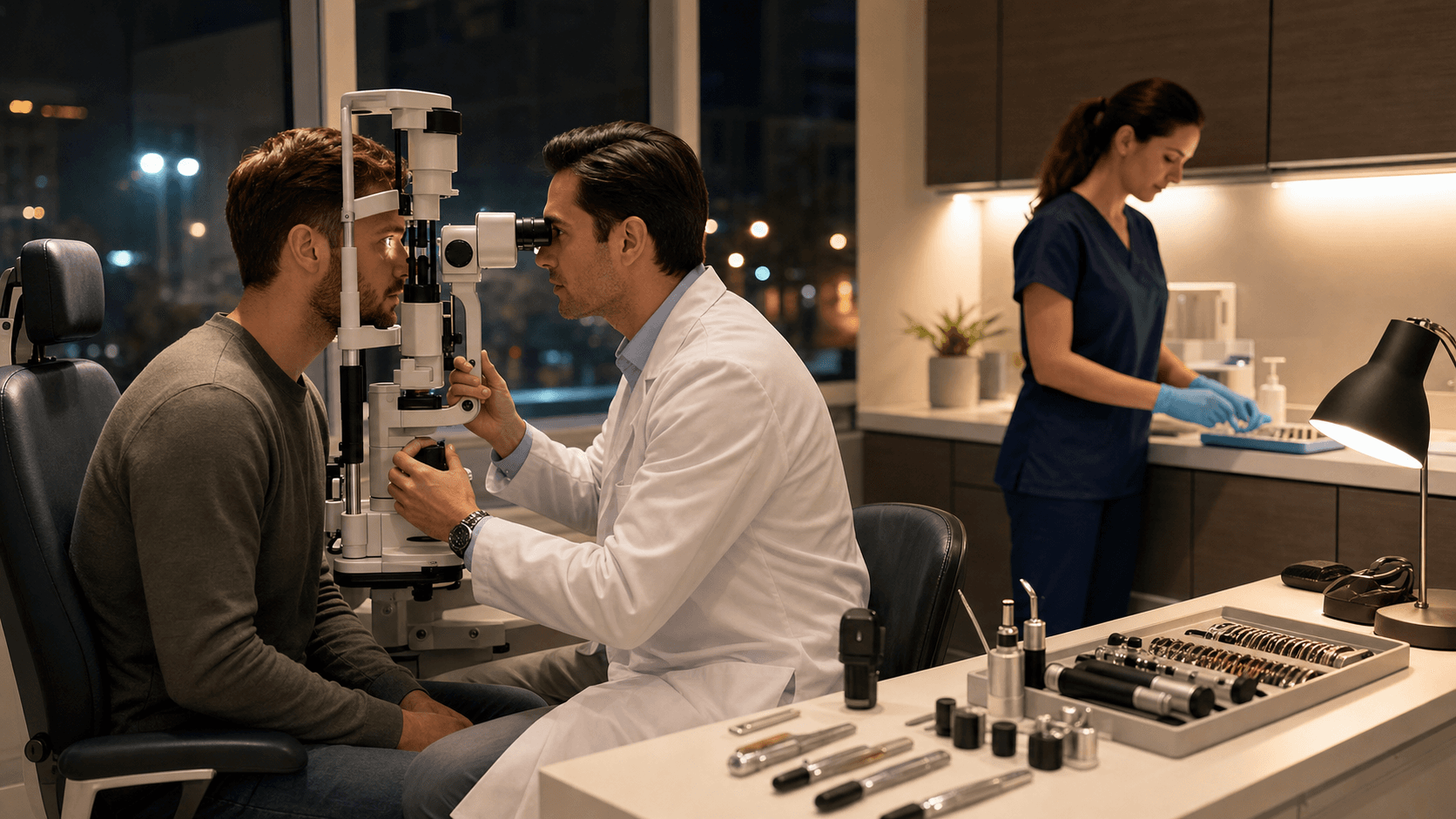
We use advanced diagnostic equipment to check for a wide range of vision issues, including glaucoma and other eye diseases that may not show symptoms early. Our clinic also includes retinal imaging as part of a standard comprehensive eye exam.
We recommend following a routine that suits your age and lifestyle while also staying alert to changes. That way, it is easier to enjoy clear, comfortable vision for everything from work to family time, now and in the future.
Wondering about the cost of a comprehensive eye exam or the best timing for your next appointment? At Cypress Family Eyecare, we take the time to consider your health history and lifestyle to create a care plan that fits you. Reach out today and let's schedule your next visit.