Introduction
Many people think a contact lens eye exam is just like a regular eye exam, but they're not exactly the same. While both types of visits check your overall vision and eye health, a contact lens exam goes a few steps further. It's not just about how well you see, but how well a lens fits your eye and how your eyes respond to wearing it over time. If you're thinking about switching to contacts, especially during summer when glasses can get in the way on hot Cypress, TX, days, it helps to know what to expect at your appointment.
Additional Testing and Measurements for Contact Lens Fitting
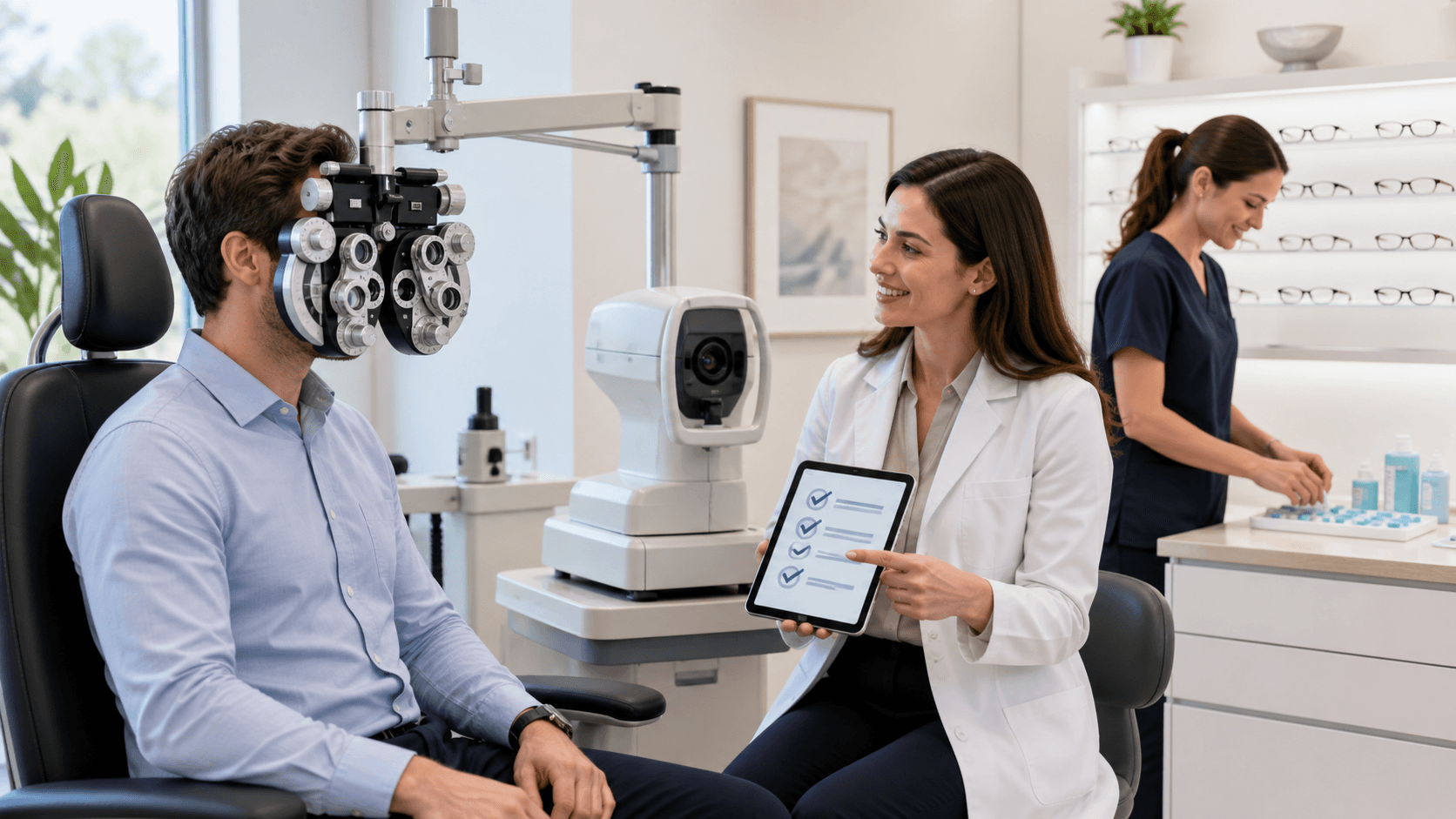
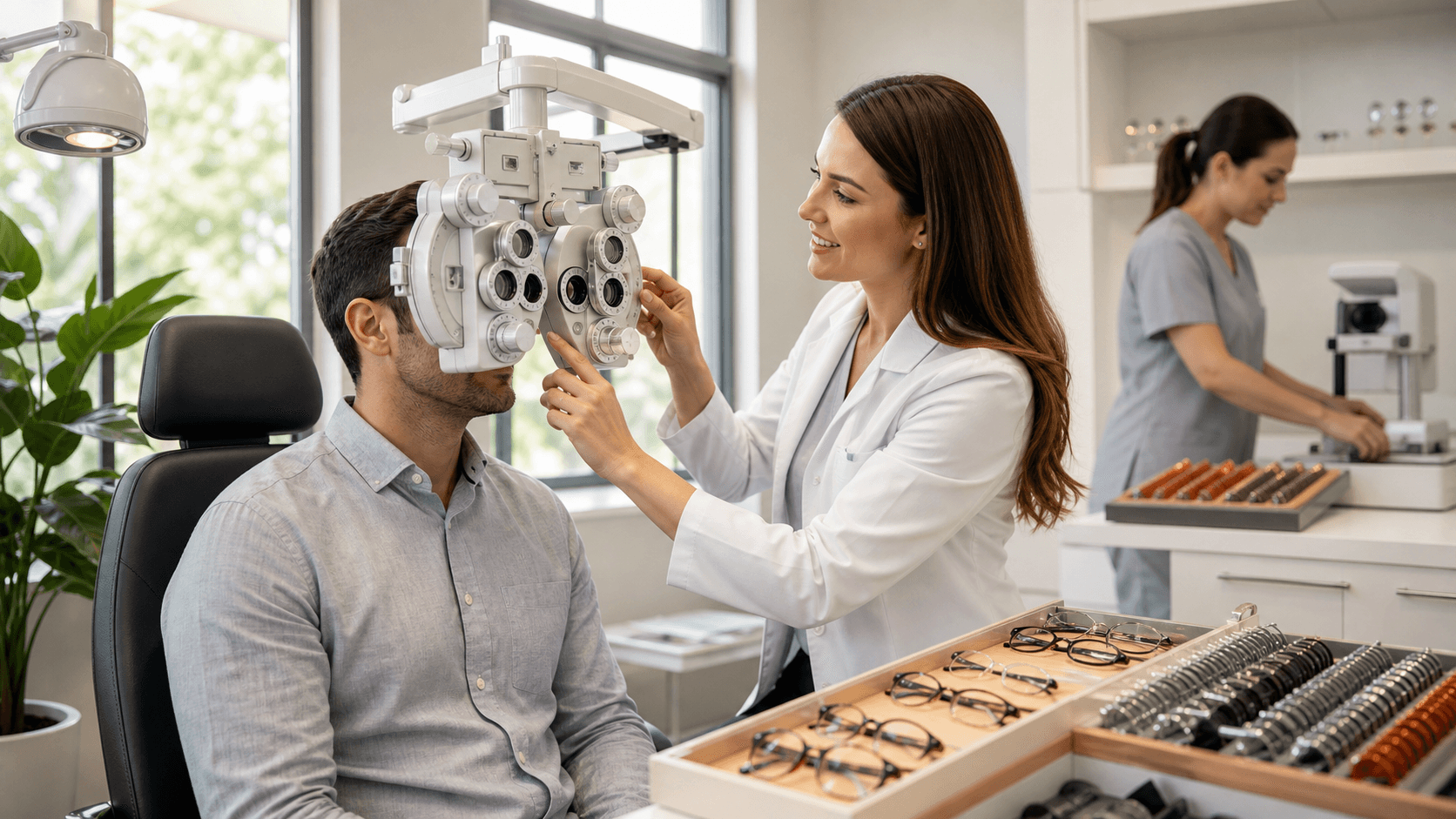
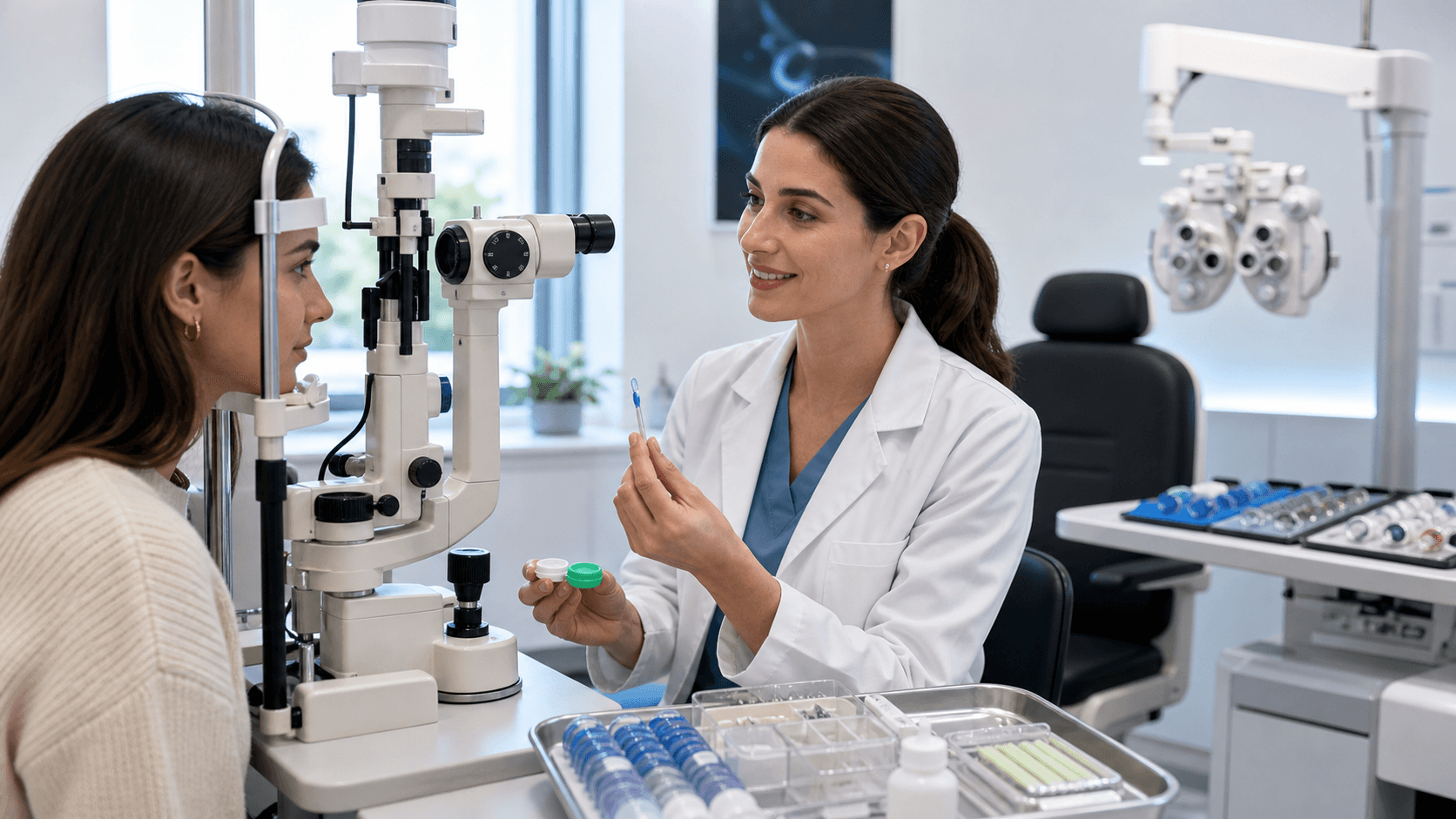
During a contact lens eye exam, we do everything included in a routine exam, like checking your prescription and looking at your eye health. But then we add a few important steps to figure out if contacts will work for you.
- We start by measuring the shape and curve of your cornea. That's the clear front part of your eye where the contact lens rests.
- We check the size of your pupil and iris, since these tiny details can affect which lens works best.
- We test how much moisture your eyes produce, since dryness can make contacts hard to wear comfortably.
These steps are especially helpful during summer in Texas when heat, sun, and air conditioning can make your eyes feel dry or tired. Some lenses work better for certain lifestyles than others.
We also look for conditions that might make wearing contacts harder. Not all eyes can use standard lenses. That's why getting these extra tests can help avoid problems and point you toward the best option for your eyes.
Cypress Family Eyecare uses advanced corneal topography and a tear film evaluation to match patients with lenses that will be comfortable for their unique eyes and lifestyle needs.
The Contact Lens Trial and Follow-Up Process
One major way a contact lens eye exam differs from a regular one is that you may try on lenses right at the appointment. Once we decide on a type of lens that could be a good match, we'll place a pair of trial lenses on your eyes so we can see how they fit and feel.
- We look closely at how the lenses move when you blink and whether they stay centered.
- We check for clear vision with the trial pair in place.
- We give you a chance to notice how they feel while you're wearing them.
If you've never worn contacts before, we'll take some time to show you how to put them in and take them out safely. We'll also explain how to clean and store your lenses to keep your eyes healthy. Learning the basics helps avoid problems later.
Many times, we'll schedule a follow-up visit. This gives us a chance to check how your eyes are doing after wearing the contacts for a few days. We want to make sure they still feel comfortable and that you're confident handling them. These follow-ups are especially helpful for first-time wearers who are still getting used to the routine.
At Cypress Family Eyecare, Dr. Oevermann provides extra support for new wearers by checking fit and comfort at every stage and offering advice for long-term lens care.
Getting the Right Fit for Your Vision Needs
Knowing the difference between a contact lens eye exam and a regular eye exam makes it easier to plan and feel prepared. Contacts aren't one-size-fits-all, so those extra steps like cornea measurements and trial fittings are important.
The better your lenses fit, the more likely they'll be comfortable and give you sharp, reliable vision. That's why taking the time to go through the full process, testing, wearing trial lenses, and checking back in, can make a big difference long-term.
A good fit helps you enjoy all the benefits of wearing contacts, whether you're spending time outdoors or simply want a glasses-free option that works for your day-to-day life.
A proper introduction to contacts can make all the difference for your eyes this summer. At Cypress Family Eyecare, we guide you through every step of a comprehensive contact lens eye exam so your lenses feel comfortable and fit perfectly from day one. Call us today to schedule your visit.